Search, write, check, review in two days: the 0801 AI marketing bootcamp in Shanghai
On 1–2 August 2026, the 9th AI marketing bootcamp ran in Shanghai: AI search diagnosis, a knowledge master file, five-platform rewrites and a six-week test.
On 1–2 August 2026, the 9th cohort of the AI Marketing Bootcamp was held in Hongqiao, Shanghai. Lead instructor Liu Kai had participants bring their laptops and a real brand problem, and spend two hands-on days going from AI search diagnosis through content preparation and rewriting to human review and a retrospective.
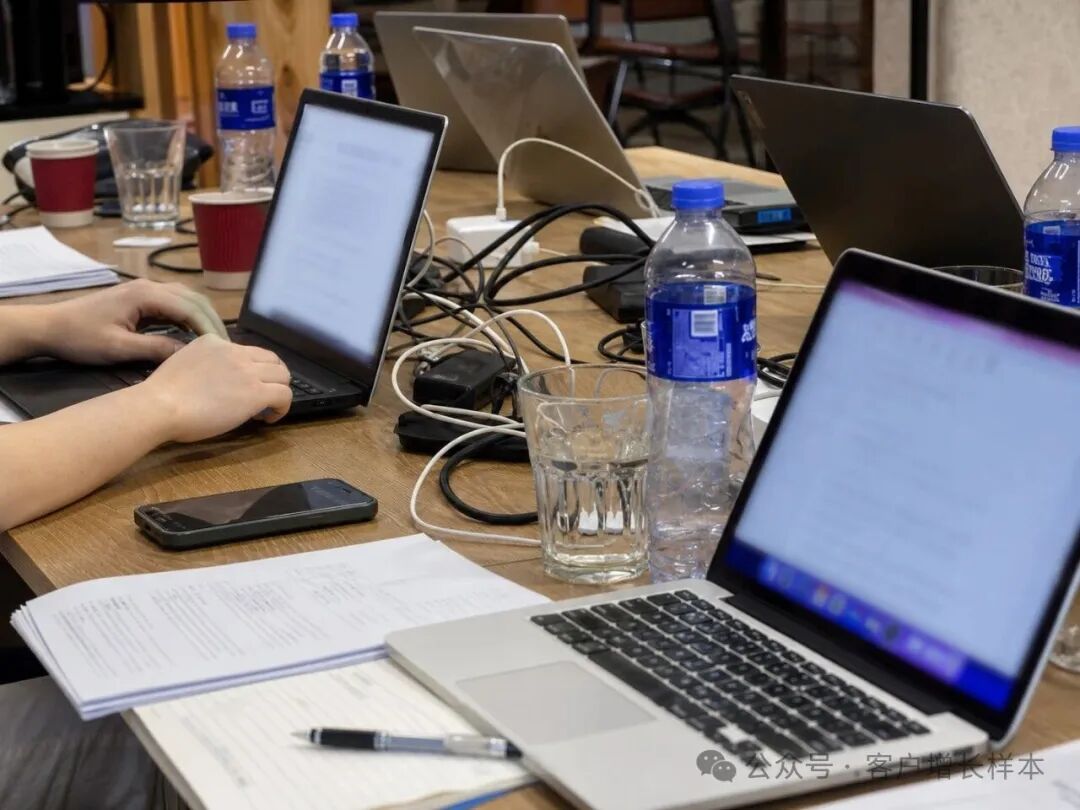
Start with how the brand shows up in AI answers
The course began with a check: when a user asks Doubao, DeepSeek, Kimi or ChatGPT — Doubao, DeepSeek and Kimi being major Chinese AI assistants — can the AI accurately describe your brand, products and services?
Participants recorded where their brand was absent, misdescribed or had an opening in the answers, then organized content around those gaps. The course combines the company’s core positions, real data, customer questions, cases and sources into a “knowledge master file,” the shared raw material for all later content.
One source, five platform versions
From the same knowledge master file, participants practiced writing versions for five Chinese platforms — Zhihu, WeChat official accounts, Xiaohongshu (RED), WeChat Channels and Douyin — adjusting headline, opening, examples and tone for each audience and context (see one source, multiple platforms).
Content production then moved into a “topic, draft, check, human review” workflow. AI can help generate drafts, images and short videos; a person checks facts, tone and brand boundaries, then decides whether to publish.
The course’s planned completion outputs were:
- A list of gaps in how the brand appears in AI answers.
- One to three knowledge master blocks and draft content for the five platforms.
- One article with images, one short video and a monitoring dashboard.
- A six-week experiment sheet to take back into the business.
These are the course’s design targets; we do not present them as business results every participant achieved.
Make a first version, then validate it in the business
The class used a teach-then-practice format: search once, write a version, check it, then revise based on feedback. At the end, participants received completion certificates and took a group photo with the instructor.
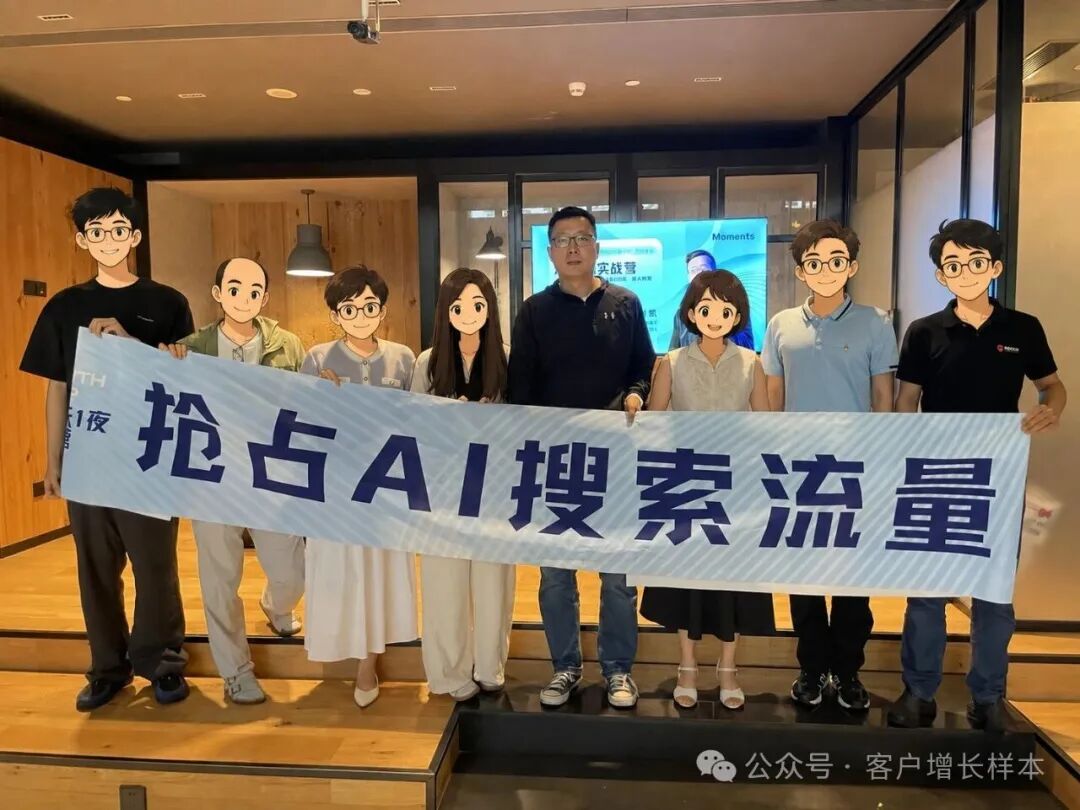
The six-week experiment requires participants to write down in advance what they will change, which metric they will watch and when they will review it, so later optimization has a record behind it.
According to the original write-up, the questionnaires collected from this cohort rated the brand AI visibility diagnosis, knowledge master preparation and multi-platform rewriting all as “valuable” or “very valuable,” with an NPS of 100. That figure reflects only the willingness to recommend among returned responses. It does not mean the course guarantees follower growth or sales; actual effect still has to be verified with real business data.
Bring a real problem to work on
The course suits people responsible for improving a brand’s AI visibility, and marketing, operations and content teams that produce content continuously. We recommend bringing a real brand, product or stuck marketing problem.
To see how the course works, visit the AI Marketing Bootcamp; to discuss a team’s needs, contact Moments. Dates and locations of future cohorts are as announced officially.
Related
- AI visibility audit — An AI visibility audit measures how AI answers describe your brand today and pinpoints whether problems sit in the entity, content or crawl layer.
- Brand knowledge base — A brand knowledge base is one master document holding a company's facts, definitions and standard answers, so every external piece is rewritten from it.
- One-source, multi-platform distribution — One-source, multi-platform distribution rewrites a single fact base to fit each platform's format, so facts stay identical everywhere while the form changes.